We’ve all been there. You’re tasked with finding the perfect gift for a man—a father, a mentor, a spouse—and you end up staring into a sea of predictable options: another bottle of decent bourbon, artisanal jerky, and a candle that smells vaguely of sandalwood. The items are fine. They are good. But they are also terribly… generic.
You realize the problem isn't the quality of the objects; it’s the lack of narrative. A gift, especially one beautifully packaged in a hamper, shouldn't just be a collection of things. It should feel like a curated moment—a memory waiting to happen. The goal is to transform an assortment of items into an experience.
If you feel stuck staring at Amazon’s best-seller lists and thinking, “How do I make this boring gift unique?” take a deep breath. You don't need a bigger budget; you need a better story.
Shifting Focus: From Objects to Experience
The single most important shift in mindset is realizing that the hamper itself is merely the vessel. The true gift is the activity or the mood you are curating. Instead of asking, "What things should I buy?" ask, " What memory do I want him to create with these items?"
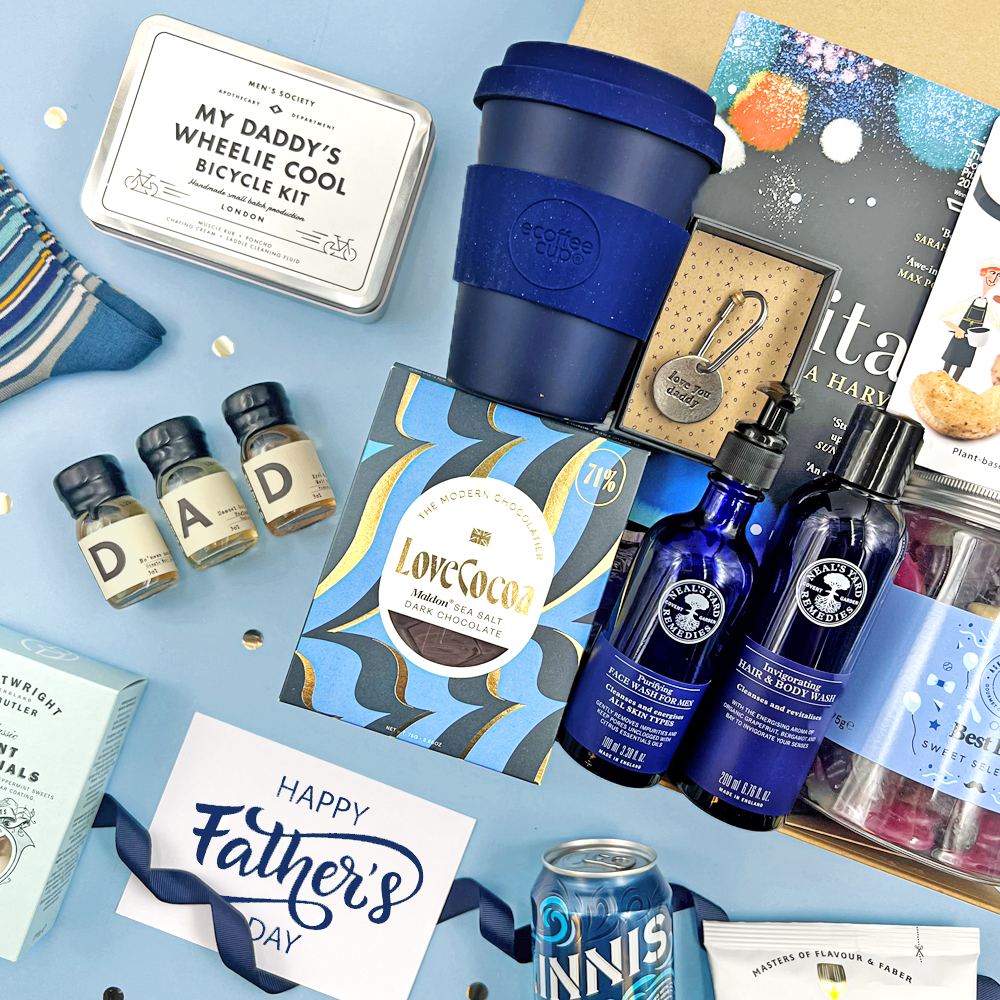
Think of it less like a picnic basket and more like a toolkit for relaxation, adventure, or deep conversation.
1. The Sensory Deep Dive: Crafting Moods
A truly unique hamper appeals not just to the eyes, but to all the senses—sight, smell, sound, taste, and touch. If you are forced to include something "boring," build it around a strong sensory theme.
- The Smell: Pair high-quality coffee beans with a cedar wood matchbox or an essential oil blend specifically for masculine environments (sandalwood, vetiver, leather). The Taste: Instead of just putting in random snacks, create a pairing guide. If you include expensive cheese, don't just throw grapes nearby. Include a small card that says: "Try this aged Gouda with the tartness of these blackcurrant preserves. The notes echo each other." The Touch: Incorporate something tactile—a nice pair of reading socks, a heavy-duty pocket knife (even if he doesn't carry it daily), or a soft throw blanket designated for his armchair.
2. Niche Immersion: The Deep Dive Theme
If the recipient has an obvious passion—whisky, grilling, vintage movies, Coffee Lover gardening—don't just buy the best version of that item; build a whole little world around it. This is where you make the gift feel hyper-specific and deeply researched.
Instead of: A "Whiskey Lover Hamper" (which might contain 3 different bottles). Try: "The Speyside Sipping Experience." Curate items that tell a story about one specific region or type of drink:
- A single, exquisite bottle from the target area. A book on local distilling history. Specialized crystal glasses designed for tasting notes. Gourmet snacks (like smoked nuts) that complement the profile of that particular whisky.
This level of focus transforms a purchase into an educational journey.
The Narrative Edge: Making It Personal, Not Pricy
When everything looks high-end and luxurious, it can feel overwhelming. What makes a gift Homepage unforgettable is often its ability to whisper, “I know you.”
A wonderful anecdote I once heard from a client trying to find a unique gift for her father detailed the sheer novelty of a simple hamper filled with his favorite childhood snacks—the exact brand of boxed cereal he ate at age eight, paired with a new, high-end artisanal hot chocolate mix. It wasn't about expense; it was about time travel.
How do you replicate that feeling for your own gift? By connecting the items to shared history or future plans.
Consider these three narrative boosters:
The Inside Joke Item: Is there a silly movie quote, an obscure band T-shirt, or a brand of chips from a trip years ago that you know he loves? Include it. It's the single strongest marker of thoughtfulness. The "Future Date" Element: Package the gift not as something to be consumed now, but something to be enjoyed on an upcoming outing together. For example: “These steak spices and this new apron are for our planned weekend BBQ.” This elevates the present moment into a shared future memory. The Handwritten Map: If you collect several items from different regions (e.g., coffee beans from Colombia, chocolate from Ecuador), create a simple map or diagram showing where each item comes from. It turns the box into an international journey."Thoughtfulness is not measured in dollars, but in attention." — Unknown.
This quote rings true because it reminds us that the most expensive items fail if they lack context. The packaging becomes your literary device; you are writing the story of the gift with every piece included.
Curating the Perfect Presentation
Finally, even the most thoughtful curation needs a spectacular stage. Don’t underestimate presentation; it completes the illusion.

- Go beyond wicker: Consider using reclaimed wood crates, dark slate trays, or linen-wrapped boxes. The vessel should feel as substantial and intentional as the contents. The "Instruction Manual": Always include a beautifully printed (or hand-calligraphed) card that doesn't just list what’s inside. It must guide him. Use headings like: “The Perfect Saturday Afternoon” or “Instructions for Relaxation.” Tell him how to use the items, in sequence. Layering: Don't just dump things in. Use crinkle-cut paper, velvet pouches, or shredded tissue that matches a consistent color palette (e.g., deep forest green and navy). Consistency is the key to luxury.
The next time you find yourself struggling with gift fatigue, remember this: You are not assembling a hamper; you are curating an experience. Focus on the story, connect the senses, and let the personal details do all the heavy lifting. That’s how you take something 'boring' and make it utterly unforgettable.