When you’re assembling a chocolate hamper for a colleague, a friend, or that special someone, you want every bite to be pure joy—not a surprise gluten flare‑up. But with the sheer number of ingredients and hidden sources of wheat, barley, and rye, the task can feel a bit like navigating a maze. This guide walks you through the steps, tips, and little tricks you need to confidently answer the question, “how to ensure my chocolate hamper is gluten free,” while keeping the experience delicious and stress‑free.
Understanding Gluten and Its Hidden Sources
Gluten is the protein duo found in wheat, barley, and rye that gives dough its stretchy texture. In the world of chocolate, it often hides where you least expect it—think flavorings, thickeners, or even the packaging. Knowing where gluten can sneak in is the first line of defense.
Common Gluten Culprits in Chocolate Products
- Malt extract – a sweetener derived from barley, frequently used in milk chocolate. Wheat flour – sometimes added to create a smoother texture in truffles or ganache. Barley malt syrup – a sticky sweetener that can appear in caramel‑filled chocolates. Oats – unless certified gluten‑free, oats may be contaminated during processing.
If any of these ingredients appear on the label, the hamper is automatically out of the gluten‑free league.

Reading Labels Like a Detective
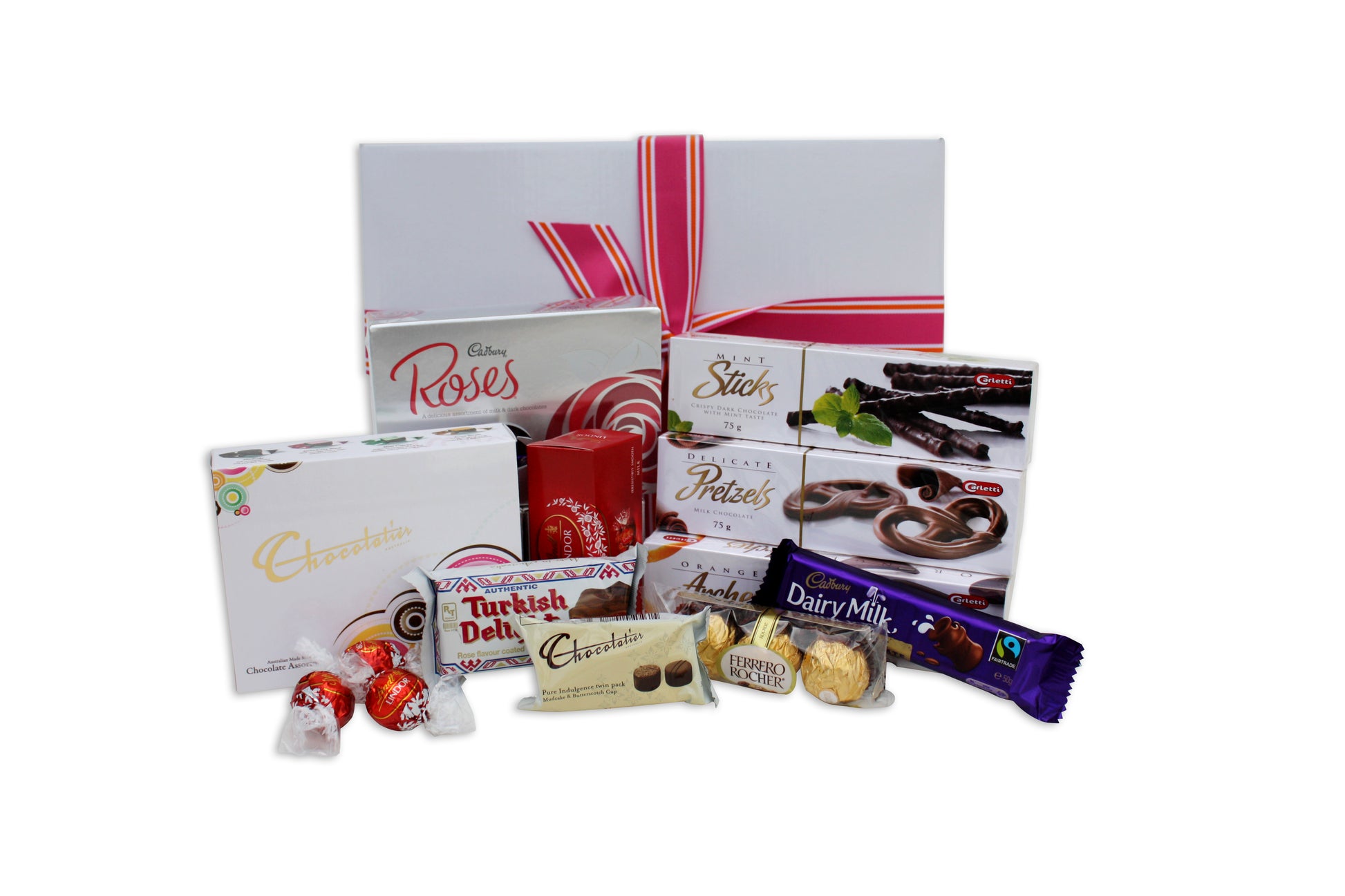
Gift setsA gluten‑free chocolate hamper starts with a careful label audit. Think of yourself as a detective hunting for clues—every word matters.
- Look for “Certified Gluten‑Free” – this seal means the product has been tested and meets strict standards. Scan the ingredient list for the culprits mentioned above. Check the allergen statement (usually a separate box) for “contains wheat, barley, rye.” Beware of “may contain” warnings – they indicate possible cross‑contamination.
Decoding “May Contain” Statements
The phrase “may contain wheat” is a red flag. While some manufacturers use it as a legal safety net, others truly share facilities with gluten‑containing foods. If you see this warning, ask yourself: Is the risk worth the reward? In most cases, it’s safer to choose an alternative with a clear gluten‑free guarantee.
Choosing Certified Gluten‑Free Brands
Not all chocolate makers are created equal. Some have dedicated gluten‑free lines, while others rely on third‑party testing. Here are a few reputable brands that consistently earn the gluten‑free badge:
- Enjoy Life – 100 % free from the top 14 allergens, including gluten. Green & Black’s (Organic Dark) – offers a certified gluten‑free dark chocolate bar. Lily’s Sweets – stevia‑sweetened, gluten‑free, and perfect for low‑sugar hampers. Theo Chocolate – many of their dark varieties carry a gluten‑free label.
When you select from these brands, you’re already halfway to answering “how to ensure my chocolate hamper is gluten free” without a second‑guess.
Managing Cross‑Contamination at Home
Even the most carefully chosen chocolates can become compromised if you’re not mindful during storage and packing. Treat your hamper like a precious cargo.
- Separate storage – keep gluten‑free chocolates on a shelf away from any wheat‑based snacks. Dedicated utensils – use clean knives, tongs, or scoops that have never touched gluten foods. Seal it tight – airtight containers or resealable bags prevent stray crumbs from sneaking in.
Packing the Hamper Safely
- Line the basket with parchment paper (gluten‑free) before adding the treats. Arrange chocolates in single layers to avoid crushing; broken pieces can create crumbs that act like tiny gluten “landmines.” Include a small note that highlights the gluten‑free status—this adds a thoughtful touch and reassures the recipient.
An Anecdote: The Great Office Gift Mix‑Up
Last winter, I was tasked with creating a holiday chocolate hamper for a team of twelve. I sourced an assortment of artisanal truffles, assuming they were all safe because the shop claimed “no gluten ingredients.” The day the hamper arrived, a colleague with celiac disease politely mentioned she felt a rumble in her stomach after the first bite. A quick look at the ingredient list revealed a hidden malted barley glaze on one of the truffles. The lesson? Never rely on “no gluten ingredients” alone; always verify the certification. Since then, I’ve kept a tiny checklist in my kitchen drawer, and my hampers have been glitch‑free ever since.
> “Good food is the foundation of genuine happiness.” – Auguste Escoffier
This quote reminds us that the joy of gifting should never be marred by avoidable health concerns. By taking a few extra steps, you guarantee that the happiness stays pure.
The Perfect Gift Awaits
Now that you’ve mastered the art of gluten vigilance, the final piece of the puzzle is adding a personal flourish. Choose a theme—perhaps “dark decadence” or “milk‑chocolate comfort”—and let the gluten‑free selection shine. Pair the chocolates with a gluten‑free biscuit or a jar of almond‑based caramel for texture contrast. Wrap everything in recycled tissue paper, and you’ve crafted a hamper that says, “I care about your taste buds and your well‑being.”
Do you ever wonder how a simple box of sweets can become a conversation starter about health, trust, and attention to detail? By answering the question, “how to ensure my chocolate hamper is gluten free,” you’re not just avoiding a mishap; you’re showing respect for the recipient’s dietary journey.
So, go ahead—fill that basket, seal it with confidence, and watch the smiles appear. After all, the best gifts are those that are both delicious and thoughtful, leaving no room for unwanted surprises.
*Ready to build your own gluten‑free chocolate treasure? Start with a certified brand, double‑check every label, and pack with care. Your next hamper will be the talk of the town—for all the right reasons.*